

Your daily news update on the United States
Provided by AGP
New Anglia University Expands Focus on U.S. Clinical Training and Residency Pathways
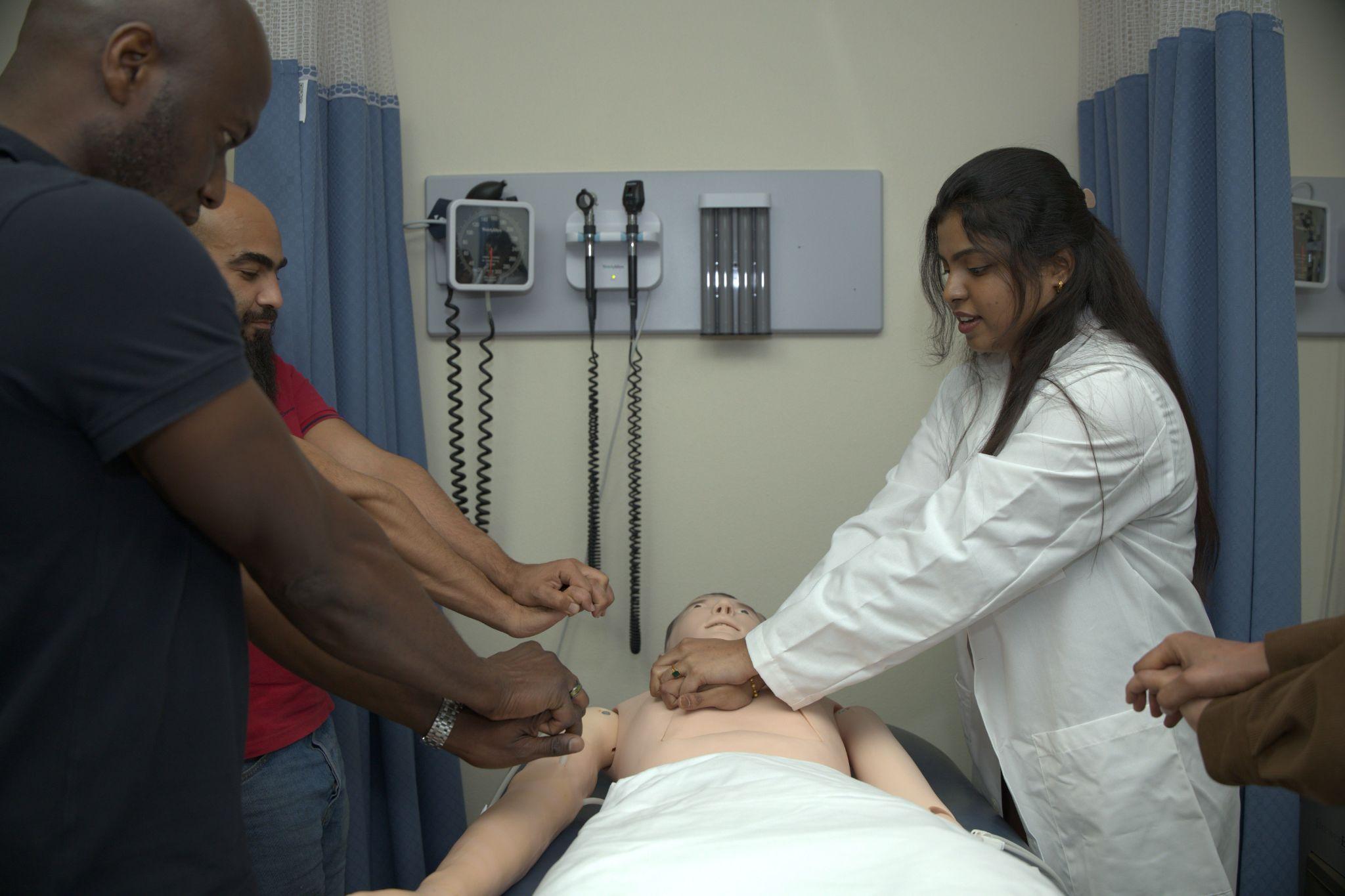
Photo courtesy of New Anglia University
George Hill, Anguilla, 12 May 2026 -- New Anglia University is expanding its focus on U.S. clinical training and residency pathways as medical students increasingly seek MD programs that provide exposure to the American healthcare system, hospital-based clinical education, and postgraduate medical training opportunities.
The growing emphasis on residency readiness reflects broader changes within medical education, with students increasingly evaluating programs based on clinical exposure, U.S. healthcare experience, and preparation for future postgraduate training opportunities in the United States.
Growing Demand for U.S. Clinical Training and Residency Pathways
Demand for physicians across the United States continues to grow as healthcare systems face ongoing workforce pressures and physician shortages across multiple specialties. According to projections from the Association of American Medical Colleges (AAMC), the United States may face a physician shortage exceeding 80,000 doctors over the coming decade.
At the same time, International Medical Graduates (IMGs) continue to play an important role within the U.S. healthcare system, particularly across primary care, internal medicine, and underserved healthcare regions.
New Anglia University has seen increasing interest from students seeking MD programs that combine foundational medical sciences with clinical training opportunities connected to the U.S. healthcare system and future residency pathways.
“Students today are increasingly focused on clinical readiness and preparation for future residency training,” said Prof. Oleg Kvlividze, Provost of New Anglia University. “Many are seeking MD programs that provide structured clinical exposure, hospital-based learning environments, and opportunities to develop familiarity with the expectations of the American healthcare system.”
Changing Trends in International Medical Education
Medical students are increasingly exploring internationally connected MD pathways that integrate U.S. clinical exposure earlier within medical training. Industry observers have noted growing interest in programs that combine foundational sciences education with hospital-based clinical rotations and residency-focused preparation.
The trend reflects broader shifts in how students evaluate medical education opportunities, particularly among those interested in pursuing future residency training within the United States.
Industry observers have also noted increasing emphasis on clinical preparedness, continuity of clinical exposure, and familiarity with hospital-based healthcare environments throughout medical training. As residency programs become increasingly competitive across multiple specialties, students are placing greater importance on MD pathways that provide structured clinical experiences, early patient interaction, and exposure to the operational realities of the U.S. healthcare system.
At New Anglia University, students complete 20 months of foundational medical sciences training on campus in Anguilla before progressing into clinical rotations across affiliated healthcare settings in the United States. The university’s educational structure also incorporates preparation timelines aligned with major U.S. medical licensing examinations, including USMLE Step 1 following completion of the Basic Sciences phase on campus and USMLE Step 2 after completion of core clinical rotations across affiliated U.S. hospital settings.
The university has also continued expanding its clinical training network across more than 10 affiliated hospitals and healthcare settings in states including Illinois and Florida, supporting hands-on clinical education, hospital-based learning, and exposure to diverse patient care environments within the U.S. healthcare system. The university states that additional clinical affiliations continue to be developed as part of its expanding U.S. clinical training infrastructure.
Positioning Within an Evolving U.S. Healthcare Landscape
The university positions itself as an internationally focused medical institution serving students from the United States, Canada, and the United Kingdom. Its educational model combines foundational medical sciences with internationally connected clinical opportunities designed to support modern physician training pathways.
As healthcare systems continue evolving and physician demand continues to increase across the United States, clinically integrated medical education models are expected to play an increasingly important role in supporting residency pathways, healthcare workforce expansion, and future physician training across the American healthcare system.
Contact details: info@newanglia.com Tel: +1 264 498 3768/+44(0) 204 553 3768


Legal Disclaimer:
EIN Presswire provides this news content "as is" without warranty of any kind. We do not accept any responsibility or liability for the accuracy, content, images, videos, licenses, completeness, legality, or reliability of the information contained in this article. If you have any complaints or copyright issues related to this article, kindly contact the author above.
